


CO2 Laser Paddington
CO2 laser resurfacing
delivers powerful, long-lasting results for wrinkles, acne scarring and sun damage, stimulating deep collagen renewal to reveal smoother, firmer,
more radiant skin over time.
Why Choose Privée Clinic Skin Treatments?

Transformative Results
Our advanced skin treatments are designed to deliver remarkable, visible results. Whether you struggle with pigmentation, sun damage, crepey skin, or uneven skin tone, our treatments can help you achieve a complexion you'll love.

Customised Approach
We understand that every individual has unique skin concerns. That's why we take a personalised approach, tailoring our treatments to meet your specific needs. Our skincare experts will assess your skin and develop a customised treatment plan just for you.

Professional Expertise
Our team of highly skilled and experienced skincare professionals are committed to providing you with the highest standard of care. With their expertise and dedication, you can trust that you're in safe hands throughout your treatment journey, not just when in the clinic!
CO2 Laser Resurfacing in Paddington
Fractional CO2 Laser is one of the most advanced skin resurfacing treatments available, using targeted beams of light to remodel the skin at a cellular level. Unlike surface-only treatments, CO2 laser reaches into the deeper structural layers of the skin, prompting your body to rebuild collagen and produce fresh, healthy tissue from within.
At
Privée, this treatment is performed by
experienced clinicians who understand facial anatomy and take a considered approach to every plan. Whether you are looking to soften the signs of ageing, refine acne scarring, or restore an even, radiant complexion, CO2 laser resurfacing offers some of the most significant and long-lasting results of any non-surgical skin treatment.

What Is CO2 Laser Resurfacing?
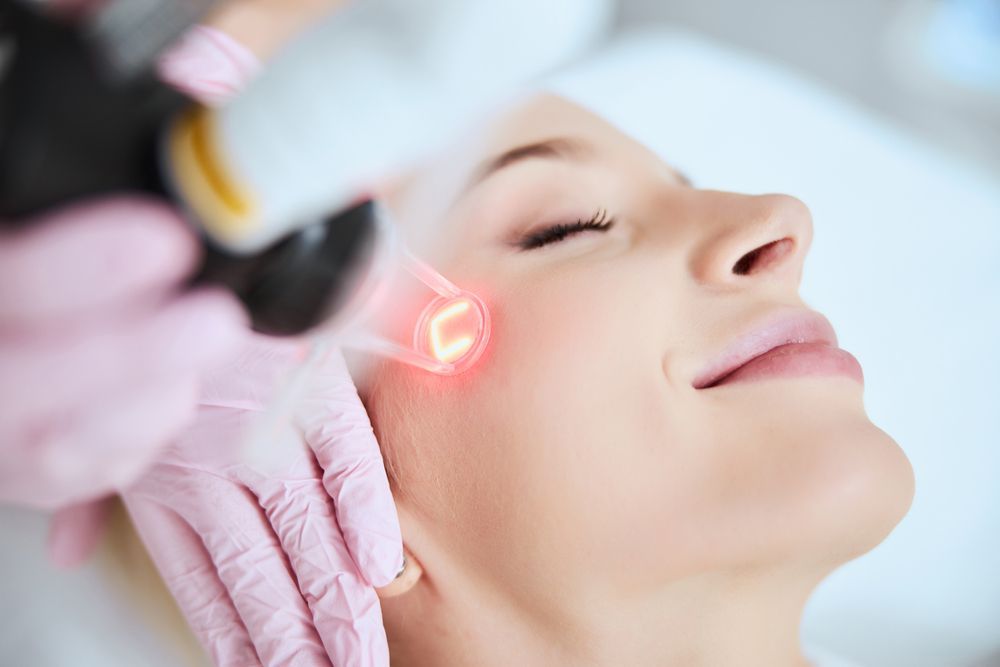
CO2 Laser Resurfacing is an ablative laser treatment that works by delivering controlled pulses of light energy into the skin in a fractional pattern, meaning only a fraction of the skin's surface is treated at any one time, leaving surrounding tissue untouched to speed healing.
Each pulse creates a microscopic column that removes damaged outer skin cells while heating the deeper dermal layers. This dual action does two things at once: it resurfaces the visible texture of the skin, and it triggers a strong collagen remodelling response underneath. The result is skin that looks noticeably smoother, firmer and more even in tone as it heals.
Because CO2 laser works at a deeper level than many other resurfacing options, it is particularly well suited to more established concerns, including deeper wrinkles, textural scarring, and stubborn sun damage that has built up over years.
Visit our exclusive clinic
Benefits of CO2 Laser Resurfacing
- Softens the appearance of fine lines and deeper wrinkles
- Improves the texture and depth of acne scarring
- Stimulates long-term collagen production for firmer, more resilient skin
- Refines enlarged pores and rough or uneven texture
- Fades sun damage, pigmentation and age spots
- Evens out overall skin tone and clarity
- Can improve mild skin laxity around the face and neck
- Delivers results that continue to improve for months after treatment
Which Areas Can Be Treated?
CO2 laser resurfacing is highly adaptable and can be tailored to suit a range of treatment areas, including:
- Full face, to address overall texture, tone and signs of ageing
- Targeted areas of acne or surgical scarring
- Around the eyes and mouth, where fine lines are often most visible
- Neck and décolletage, to soften sun damage and crepey texture
- Hands, to reduce the appearance of pigmentation and thinning skin
During your consultation, we will assess your skin and discuss which areas will give you the most meaningful results, and whether a full-face or targeted approach best suits your goals.


Is There Any Downtime?
CO2 laser resurfacing involves a more considered recovery period than lighter skin treatments, given its deeper, ablative action.
Days 1–3: Skin appears red, swollen and warm, with a texture similar to a graze. Oozing or weeping is normal in the first day or two as the skin heals.
Days 3–5: Swelling begins to settle and the skin starts to darken slightly before flaking and peeling begins.
Days 5–7: Peeling continues as new skin emerges underneath. The skin may feel tight and appear pink.
Days 7–14: Redness continues to fade and can be managed with mineral makeup once the skin has fully re-epithelialised. Residual pinkness can persist for several weeks in some clients, particularly those with fairer or more sensitive skin.
How
Long Does the Treatment Take?
Treatment time depends on the size of the area being treated and the intensity required to address your specific concerns. Most sessions run between 30 and 90 minutes, including time for numbing cream to take effect beforehand.
How Is the Treatment
Administered?
Before your treatment begins, a topical numbing cream is applied to the treatment area to keep you comfortable throughout. Your clinician will then use the CO2 laser device to methodically pass over the treatment area, adjusting the depth and intensity of the laser to suit your skin type and the concerns being addressed.
Because the laser is fractional, it treats the skin in a precise, evenly spaced pattern rather than the entire surface at once. This allows for a strong clinical result while supporting a more efficient healing process than fully ablative, non-fractional lasers.

What to Expect Immediately
After Treatment
Immediately following your session, the treated skin will appear red and feel warm, similar to a sunburn, and some swelling is common, particularly around the eyes if this area is treated.
Your clinician will apply a soothing barrier ointment and provide clear instructions to protect your skin during the first critical days of recovery.
How Should I
Care for My Skin After Treatment?
For the first few days, your skin should be kept clean and consistently moisturised with the products recommended by your clinician, avoiding any active ingredients such as retinoids or exfoliating acids until fully healed. Strict sun protection is essential during recovery and in the months following, as newly formed skin is particularly vulnerable to pigmentation from UV exposure.
Your normal skincare routine can generally be reintroduced gradually from around day 7 to 10, once the skin has finished peeling and returned to a settled state. We will provide a personalised aftercare plan on the day of your treatment, along with a follow-up to check on your healing and results.